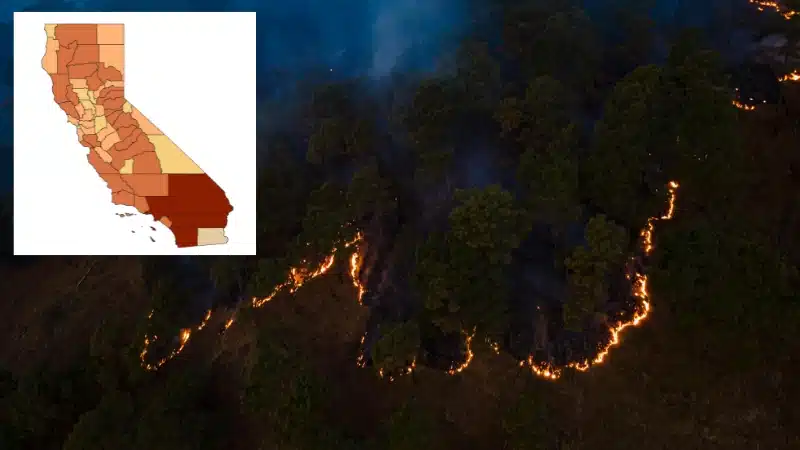
California’s Highest-Risk Wildfire Danger Zones in 2026

California’s wildfire threat continues to grow, with longer and more intense fire seasons becoming the new normal. This makes it important for homeowners to understand where wildfire risk is highest in the “Golden State.” New state wildfire hazard maps are shaping the outlook for 2026. These designations, known as Fire Hazard Severity Zones, are essential … Read more
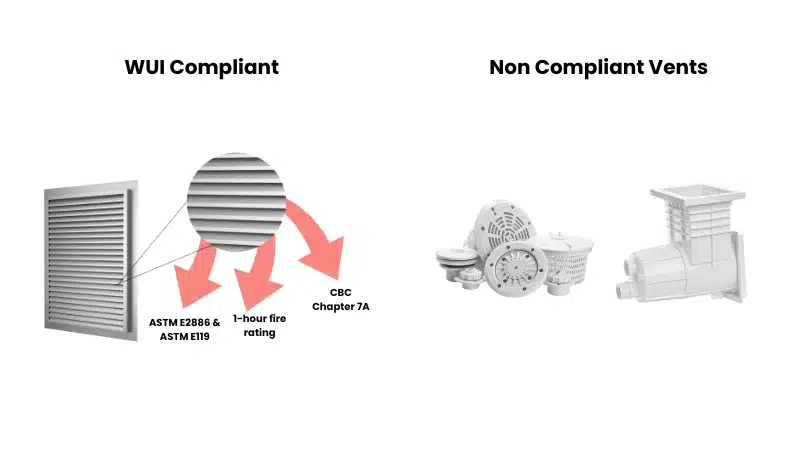
Blog Post Understanding WUI-Compliant Vs. Non-Compliant Vents in California

If your home is in a Wildland-Urban Interface (WUI) zone in California, it means your property is highly prone to wildfires. California has already experienced 7,981 wildfires this year, according to CALFIRE. This number is a direct warning for your home situated in “The Golden State”. Embers generated from wildfires can fly for miles, landing … Read more

Fire Safety Evolution

Marin’s largest wildfire was the 1923 fire that started near Novato and burned nearly 50,000 acres. It was caused by a powerful offshore wind event known as Diablo Winds and destroyed numerous homes, timber, and grazing land. This fire was a terrible warning. It showed that wildfires could move from wildlands into our neighborhoods. This … Read more

Fire-Resistant Roof Vents

Both cost and safety are important factors to consider when choosing vents. And if you live in a wildfire-prone area, these factors become an undeniable necessity. Wildfires pose a clear threat to homes. They seek weak points in a home’s defense. Your standard roof vents are like an open invitation. Instead, you can consider installing … Read more

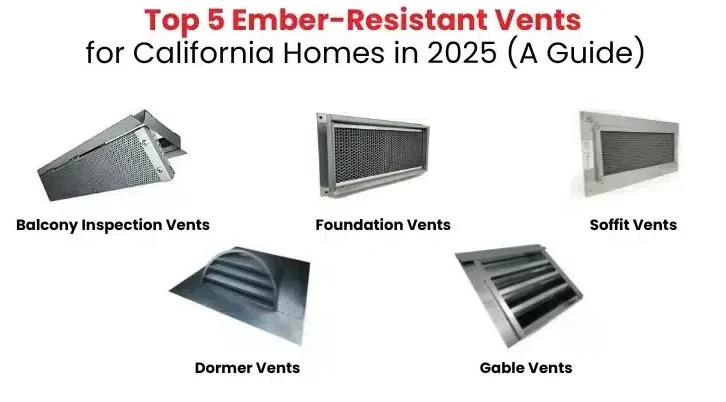
Ember-Resistant Vents

Everyone wants to protect their home in the event of a devastating wildfire. However, many fail and lose their property, or worse, family members. According to CAL FIRE, 5,881 wildfire events have occurred in California so far in 2025. This statistic highlights the significance of protecting your home, especially if you reside in the Golden … Read more

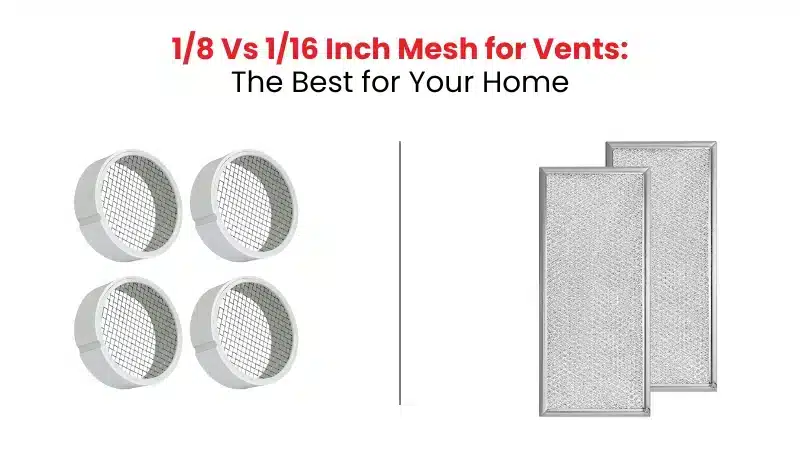
1/16 Inch Mesh

Your home’s vents are a critical vulnerability during wildfires, and their mesh size has a huge impact on their chances of survival. According to CAL FIRE, 16,344 structures were destroyed in recent California wildfires, and not having vents with mesh technology is one of the primary causes of this destruction. The tiny, wind-blown embers from … Read more

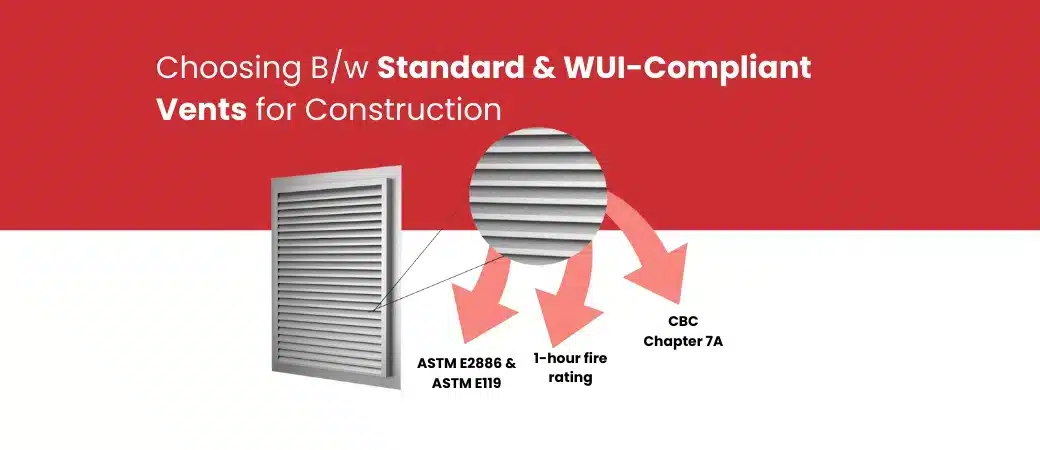
Choosing Between Standard & WUI-Compliant Vents for New Construction

For builders and architects, every specification impacts the new construction project’s safety, cost, and compliance. Selecting the right attic and crawlspace vents is a perfect example. This choice is very simple to make in most urban areas, but it becomes an important safety decision for projects in wildfire-prone regions.  Over 46 million U.S. homes are … Read more

WUI Building Codes What Every Architect Needs to Know

Wildfires are a growing threat in the U.S., especially in Wildland-Urban Interface (WUI) zones. Recent disasters, like the 2025 Southern California and Southeastern fires, prove the need for stronger WUI building codes. With over 46 million U.S. homes at risk, architects must prioritize wildfire-resistant construction. Building and fire codes do not provide the same level … Read more

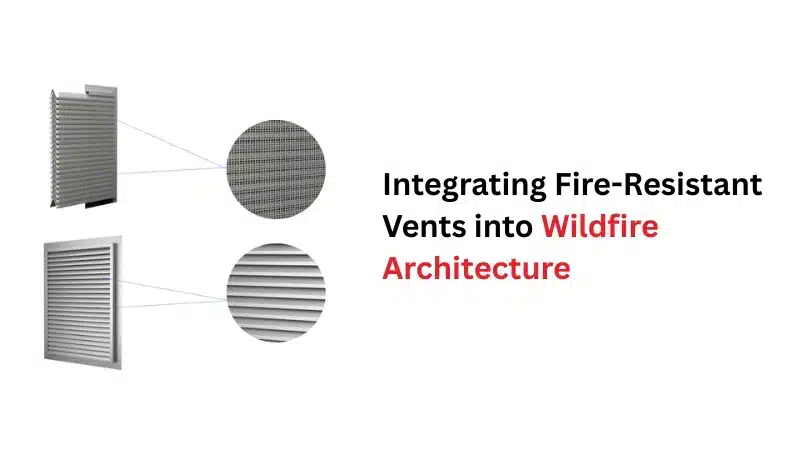
Integrating Fire-Resistant Vents into Wildfire Architecture

Wildfires are a devastating reality, capable of destroying homes and displacing families in minutes. As architects, you have a responsibility to design structures that can withstand these catastrophic events. According to the National Interagency Fire Center, 2,454,480 acres have already burned this year alone. This alarming statistic highlights the importance of integrating fire-resistant vents into … Read more

Understanding Vent Compliance: What Your Customers Need to Know

Most people don’t think about vents until there’s a problem—but in wildfire-prone areas, that’s a mistake waiting to happen. Vents are essential for airflow, but if they aren’t built to resist embers and flames, they can turn into deadly entry points during a wildfire. That’s why compliance with standards like ASTM E2886 and California Chapter … Read more